

ICMR
Vitiligo
Research center in Spain (Madrid)
Clinical studies in vitiligo
Vitiligo is a skin condition characterized by the progressive loss of pigmentation. While it does not generally affect physical health, its emotional and social impact can be significant.
At ICMR, an international medical research center based in Madrid, we participate in clinical research projects aimed at developing new therapeutic options and improving the understanding of this disease through carefully regulated clinical trials.
What is vitiligo?
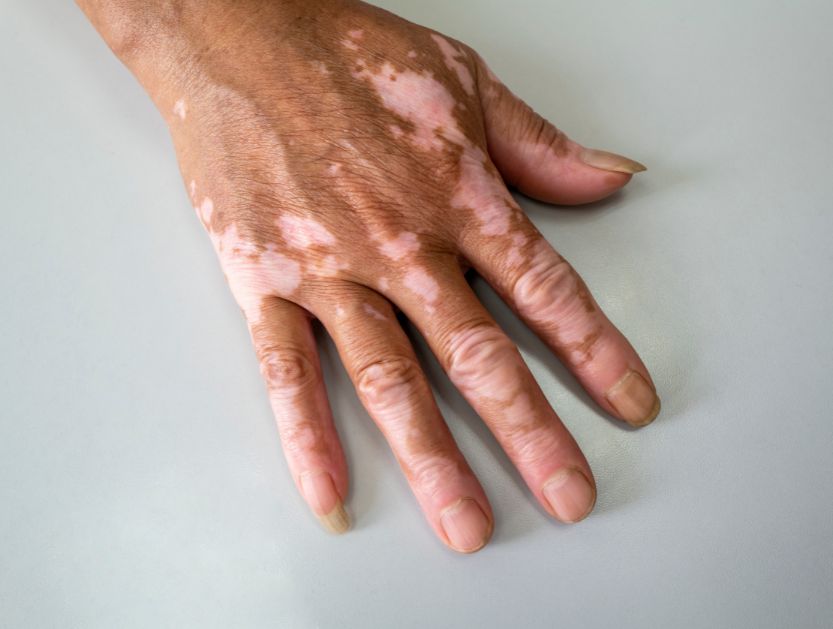
Vitiligo is an acquired disorder in which the cells responsible for producing melanin (melanocytes) are destroyed, leading to the appearance of white patches on the skin.
Vitiligo is believed to have a multifactorial origin involving:
- Autoimmune mechanisms.
- Genetic factors.
- Oxidative stress.
- Alterations in the skin microenvironment.
There are several clinical forms of vitiligo, including:
- Localized vitiligo: a few affected areas.
- Generalized vitiligo: widespread and symmetrical distribution.
- Segmental vitiligo: affects only one side of the body.
Although it is neither painful nor contagious, vitiligo can have a significant impact on self-esteem, particularly when it affects visible areas such as the face, hands, or arms.
What is a clinical trial?
A clinical trial is a type of clinical study in which new treatment or management options are investigated for various diseases, including vitiligo.
Before any trial begins, approval is required from independent ethics committees and health authorities to ensure that the study meets the highest standards of safety, scientific rigor, and respect for participants’ rights.
Clinical trials make it possible to validate the efficacy and safety of new therapeutic strategies in a controlled and objective manner.
How do clinical trials in vitiligo work?
The clinical research process follows a sequence of phases:
- Phase I: Assesses the safety of a new treatment in a small group of participants.
- Phase II: Evaluates preliminary efficacy and adjusts dosage.
- Phase III: Compares the new treatment with the current standard in larger patient groups
- Phase IV: Post-approval studies provide additional information on the treatment in real-world settings
Throughout the trial, participants receive close medical monitoring, including regular check-ups and safety assessments.


Active clinical trials in vitiligo
DISEASE
Vitiligo
Clinical study on novel treatments for vitiligo with different degrees of extension.
Patients over 18 years of age
With 5 to 50% of the body surface area involved
ICMR is a leading clinical research center in Europe
GENERAL INFORMATION
Vitiligo research project
At ICMR, we are committed to advancing knowledge about vitiligo through our participation in national and international research projects.
Some of the research areas we are working on include:
- New biological drugs aimed at modulating the immune response.
- Innovative topical therapies that promote repigmentation.
- Treatment combinations that optimize outcomes in difficult areas such as the face or hands.
All our projects are conducted under the highest standards of safety and methodological rigor, ensuring full respect for the dignity of all participants.
Impact of clinical research on vitiligo
Clinical research plays a key role in advancing the treatment of vitiligo, which until recently had very limited therapeutic options.
Through clinical studies, it is possible to:
- Develop new therapies aimed at slowing the progression of depigmentation.
- Improve repigmentation rates in affected areas.
- Deepen the understanding of the immune mechanisms involved.
- Design more personalized and effective therapeutic strategies.
These advances not only enrich medical knowledge but also expand management options for people living with this condition.
Information on Available Clinical Trials
At ICMR Research, we are currently participating in several clinical trials focused on vitiligo, including:
- Evaluation of new biological molecules.
- Combined therapies involving phototherapy and innovative topical treatments.
- Studies aimed at enhancing repigmentation in areas resistant to conventional treatment.
Each project has specific inclusion criteria, which may depend on factors such as:
- Age and clinical characteristics of the vitiligo.
- Extent and location of the lesions.
- History of previous treatments.
Relevant aspects to consider
Before considering participation in a clinical trial, it is important to keep in mind:
- Participation is completely voluntary and can be discontinued at any time.
- Individual clinical benefit is not guaranteed; outcomes may vary.
- All studies are properly approved and supervised to protect participants’ safety and rights.
Our center provides all necessary information in a clear and accessible manner, so that each person can make an informed and completely free decision.
Frequently asked questions about clinical trials in vitiligo
Is there any cost to participate in a study?
No. Both the investigational treatment and the related medical assessments are covered by the study sponsor.
What are the potential risks?
As with any medical treatment, there may be risks or side effects. These will be explained in detail before you sign the informed consent form.
Can I withdraw from the trial if I wish to?
Yes. Participation is voluntary and you may withdraw at any time, without any consequences.
How is my personal data protected?
Confidentiality is a priority. All data are processed in accordance with current data protection regulations.
Where can I get more information?
To learn more about the vitiligo clinical trials available at ICMR Research, you can contact us through:
- The contact form on our website.
- E-mail to info@icmrresearch.com.
- Personalized support by phone.
All inquiries are handled confidentially, respectfully and with no obligation.
About us
ICMR is a reference center in Spain and Europe dedicated to the research of inflammatory and/or immune-mediated dermatological diseases. Promoted by the Pedro Jaén Foundation, our main objective is to transfer the highest level of science to patients who cannot find a solution to their dermatological problems with currently approved treatments.
Research areas
At ICMR we are committed to developing research in all dermatological indications, with special attention to:

Psoriasis
We analyze genetic and immune factors to improve the management of this disease.

Alopecia areata
We investigate the autoimmune basis and new options that stimulate hair growth.

Hidradenitis suppurativa
We analyze genetic and immune factors to improve the management of this disease.

Atopic dermatitis
We explore the alteration of the skin barrier and the mediators that cause inflammation.

Nodular prurigo
We study the origin of severe itching and investigate therapies to relieve symptoms.

Vitiligo
We investigate the autoimmune process that affects melanocytes and how to recover pigmentation.

Notalgia paresthetica
We study the neuropathic origin of itching and therapies to control the symptoms.

Nummular eczema
We explore new options to improve the control of persistent flare-ups and skin inflammation.

Palmoplantar pustulosis
We evaluate alternatives to reduce pustules, inflammation and discomfort on the palms and soles.

Lichen planopilaris
We investigate strategies to control follicular inflammation and slow the progression of scarring alopecia.