

ICMR
Clinical studies
Our Research Focus
We conduct Phase I, II, III, and IV clinical trials involving pharmacological treatments and technological equipment in the field of dermatology and related specialties. Currently, our research focuses on new therapeutic options for conditions such as alopecia areata, moderate-to-severe psoriasis, notalgia paresthetica, vitiligo, atopic dermatitis, and hidradenitis suppurativa. All our studies are conducted in accordance with the highest scientific and ethical standards, with the aim of improving disease management and enhancing patients’ quality of life.

Ongoing studies

CONDITION
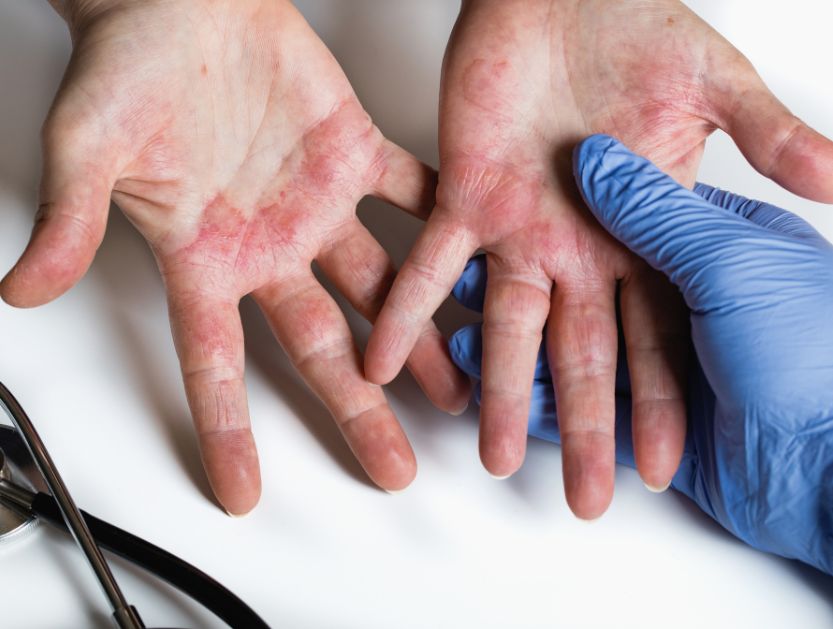
Moderate to severe psoriasis in adolescents
Clinical study to evaluate treatments for adolescents with moderate to severe psoriasis.
Patients aged 12 to 18 years
Psoriasis affecting 10% or more of body surface area
CONDITION
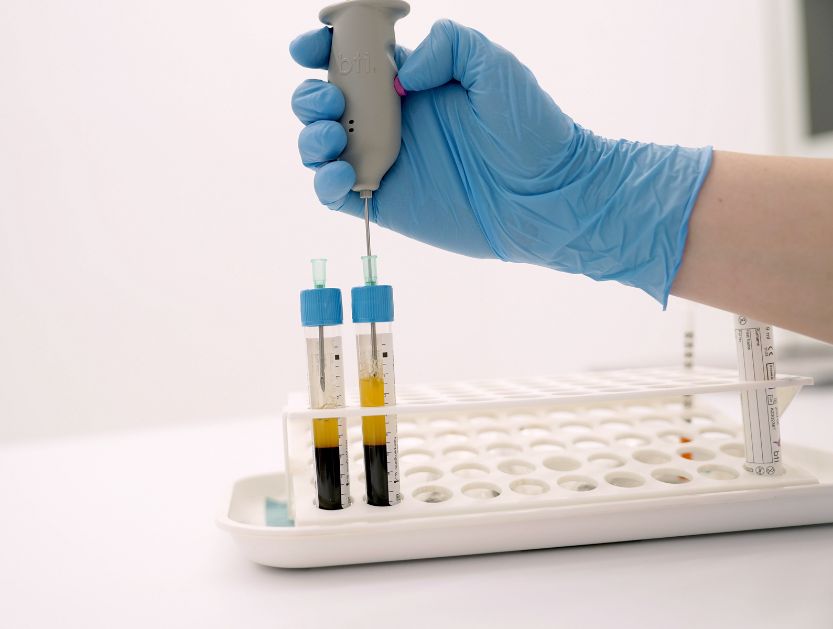
Moderate to severe atopic dermatitis
Clinical study aimed at evaluating new therapeutic options for atopic dermatitis in adults.
Patients aged 18 years or older
Atopic dermatitis affecting 10% or more of body surface area
CONDITION
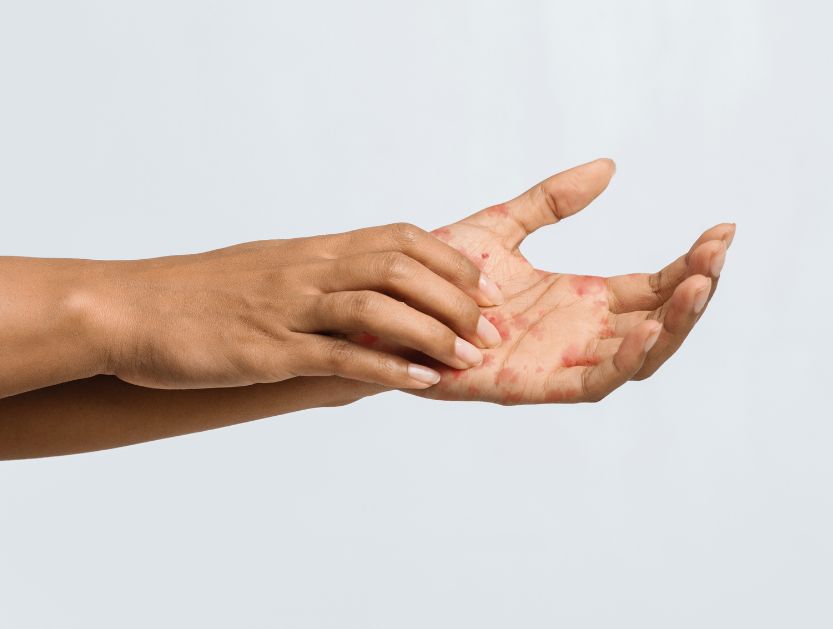
Hidradenitis suppurativa
Study designed to assess the effectiveness of innovative treatments in people with active hidradenitis suppurativa.
Patients aged 18 years or older
Presence of five or more lesions in at least two different body areas
DISEASE
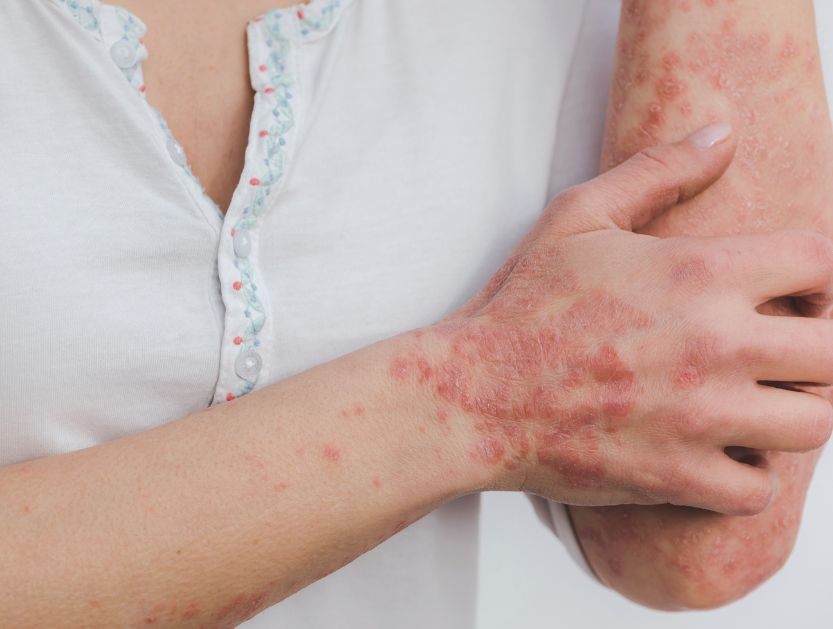
Pustulosis palmo-plantar
Study aimed at evaluating the efficacy of treatments for adults with palmoplantar pustulosis.
People aged 18 years or older.
Diagnosis of palmoplantar pustulosis.
Presence of more than five whitish or yellowish pustules.
Pustules located on the palms of the hands, the soles of the feet or both areas.
CONDITION
Moderate to severe psoriasis in people over 40
Clinical study to evaluate treatments for moderate to severe psoriasis.
Patients aged over 40 years
Psoriasis affecting 10% or more of body surface area
Presence of one or more associated conditions, such as: type II diabetes mellitus, arterial hypertension, elevated cholesterol levels, overweight
DISEASE
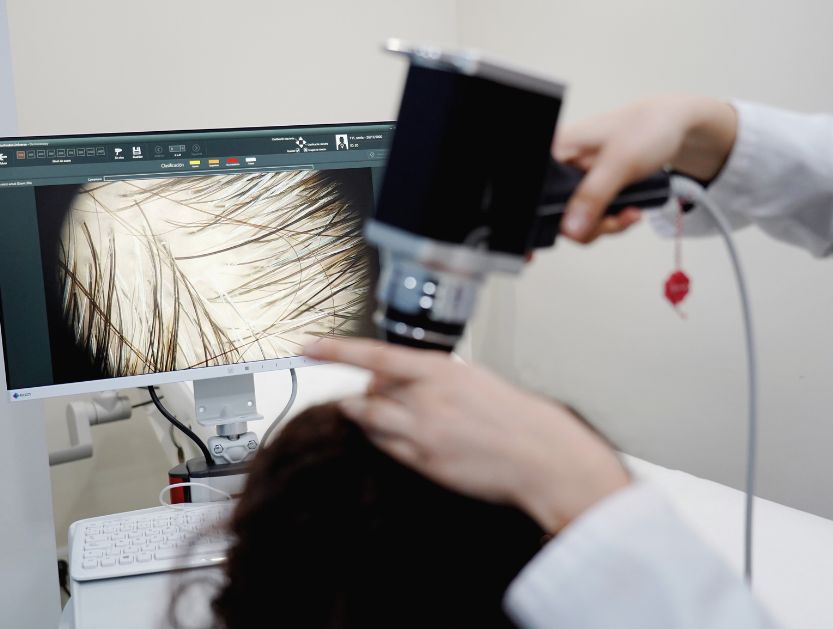
Lichen planopilaris
Study aimed at evaluating the efficacy of treatments in adults with active lichen planopilaris.
People aged 18 years or older.
Diagnosis of lichen planopilaris.
Presence of inflammation, itching, pain or stinging.
Symptoms of moderate to high disease activity.
DISEASE
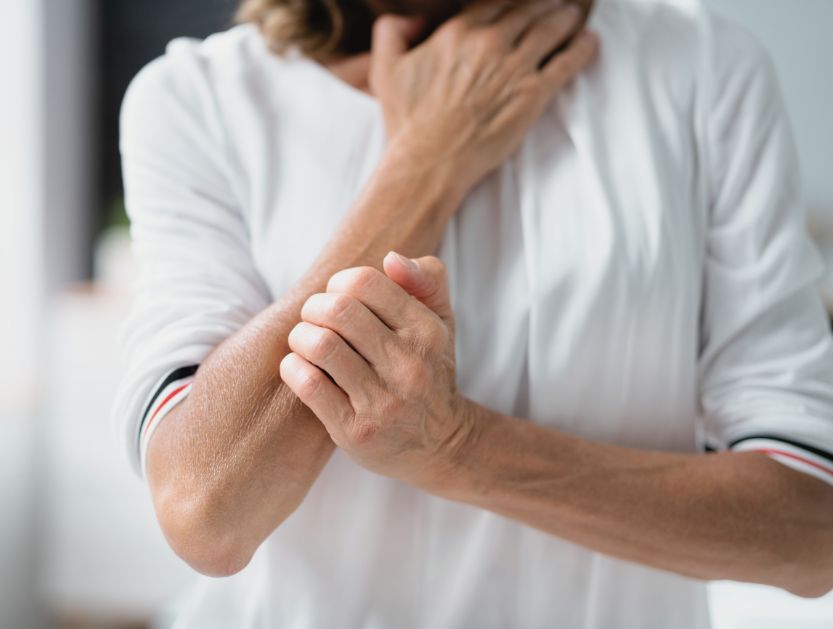
Nummular eczema
Estudio dirigido a evaluar la eficacia de nuevas opciones terapéuticas en personas con eccema numular persistente y respuesta insuficiente a tratamientos tópicos.
People aged 18 years or older.
Nummular eczema for at least one year.
Insufficient control with topical treatments.
Conditions
Research areas
At ICMR we are committed to developing research in all dermatological indications, with special attention to:

Psoriasis
We analyze genetic and immune factors to improve the management of this disease.

Alopecia areata
We investigate the autoimmune basis and new options that stimulate hair growth.

Hidradenitis suppurativa
We analyze genetic and immune factors to improve the management of this disease.

Atopic dermatitis
We explore the alteration of the skin barrier and the mediators that cause inflammation.

Nodular prurigo
We study the origin of severe itching and investigate therapies to relieve symptoms.

Vitiligo
We investigate the autoimmune process that affects melanocytes and how to recover pigmentation.

Notalgia paresthetica
We study the neuropathic origin of itching and therapies to control the symptoms.

Nummular eczema
We explore new options to improve the control of persistent flare-ups and skin inflammation.

Palmoplantar pustulosis
We evaluate alternatives to reduce pustules, inflammation and discomfort on the palms and soles.

Lichen planopilaris
We investigate strategies to control follicular inflammation and slow the progression of scarring alopecia.