

ICMR
Nummular eczema
Research center in Spain (Madrid)
Clinical studies in nummular eczema
Nummular eczema is an inflammatory skin disease characterized by the appearance of round or oval lesions, usually accompanied by itching, dryness and scaling. In some people, it may follow a persistent or recurrent course and can be difficult to control with the topical treatments currently available.
At ICMR, an international medical research center based in Madrid, Spain, we participate in rigorous clinical research projects that are regulated and authorized by ethics committees and the competent health authorities. These studies make it possible to evaluate new therapeutic options for people with nummular eczema and other inflammatory skin diseases.
What is nummular eczema?
Nummular eczema, also known as nummular dermatitis or discoid eczema, is an inflammatory skin disease that causes well-defined, round lesions similar in shape to a coin.
These lesions may appear on different areas of the body and may present with:
- Itching of varying intensity.
- Redness and inflammation.
- Dryness and scaling.
- Oozing or crusting during more active phases.
Its course varies from one person to another. While some cases respond adequately to standard therapeutic options, others may present recurrent flare-ups or insufficient control with topical treatments.
The persistence of the disease and the variability in treatment response make it necessary to continue developing clinical research in this field.
What is a clinical trial?
A clinical trial is a regulated research study designed to evaluate the safety, tolerability and efficacy of medicines, medical devices, therapeutic procedures or prevention strategies.
All clinical trials conducted at ICMR are carried out under strict protocols, in accordance with current legislation and international ethical principles. In addition, they are approved by independent ethics committees and health authorities, with the aim of protecting the rights, safety and well-being of all participants.
How are clinical trials in nummular eczema conducted?
Clinical studies evaluating new therapeutic options are usually divided into several phases:
Phase I: first evaluation in humans, mainly focused on determining safety and tolerability.
Phase II: initial evaluation of efficacy and treatment response in a limited group of participants.
Phase III: comparison of the new therapeutic option with existing treatments or with other control groups in a larger population.
Phase IV: studies conducted after treatment approval to expand the available information on how the treatment performs in routine clinical practice.
Throughout the entire process, participants are supervised by a specialized medical team that provides detailed and continuous follow-up.


Active clinical trials in nummular eczema
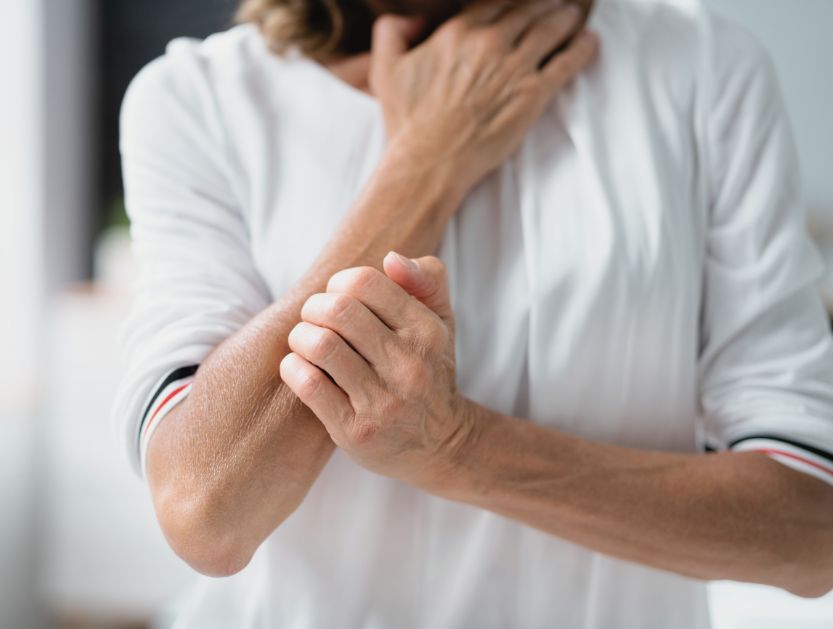
DISEASE
Nummular eczema
Estudio dirigido a evaluar la eficacia de nuevas opciones terapéuticas en personas con eccema numular persistente y respuesta insuficiente a tratamientos tópicos.
People aged 18 years or older.
Nummular eczema for at least one year.
Insufficient control with topical treatments.
ICMR is a leading clinical research center in Europe
GENERAL INFORMATION
Research project in nummular eczema
At ICMR, we participate in research projects aimed at improving the understanding and treatment of nummular eczema and other inflammatory skin diseases.
Our projects may include:
- Evaluation of new therapeutic options for persistent or recurrent cases.
- Research into the inflammatory mechanisms involved in the disease.
- Study of factors related to insufficient response to standard treatments.
- Analysis of the impact of itching, flare-ups and lesions on quality of life.
- Evaluation of strategies designed to improve long-term disease control.
All our research activity is conducted in accordance with Good Clinical Practice and under strict ethical, scientific and quality standards.
Contributions of clinical research in nummular eczema
Participation in research projects helps generate high-quality medical knowledge. Thanks to clinical trials, it is possible to:
- Evaluate the efficacy and safety of new therapeutic alternatives.
- Gain deeper insight into the mechanisms related to inflammation and skin barrier disruption.
- Study options for people who do not achieve adequate control with topical treatments.
- Improve understanding of the factors associated with persistence and recurrence of flare-ups.
- Move towards strategies that are better adapted to each person’s individual characteristics.
These advances contribute to expanding scientific knowledge and may help provide better management options for people with nummular eczema in the future.
About the available clinical studies
Clinical studies in nummular eczema may investigate:
- New options aimed at reducing inflammation and itching.
- Alternatives for people with persistent or recurrent disease.
- Strategies designed to improve the duration of treatment response.
- New approaches for cases that are poorly controlled with topical treatments.
Participation requirements vary depending on each project and may take into account factors such as:
- Age.
- Duration of the disease.
- Intensity and extent of the lesions.
- Treatments used previously.
- Response obtained with those treatments.
- General health status.
Meeting the initial criteria does not guarantee inclusion in the study. Participation must be assessed and confirmed by the research team.
Important considerations
Before deciding whether you would like to receive information about participating in a clinical study, it is important to consider the following:
- Participation is voluntary and can be discontinued at any time without affecting your usual medical care.
- Not all investigational treatments guarantee an individual clinical benefit.
- Results may vary from one person to another.
- All clinical trials are regulated and monitored by health authorities and independent ethics committees.
- Before participating, you will receive detailed information about the study, visits, tests, potential risks and planned procedures.
Our team is available to provide you with the information you need in a clear, confidential and transparent manner before you decide whether you would like to take part in a research project.
Frequently asked questions about clinical trials in nummular eczema
Does participating in a clinical study involve any cost?
No. Treatments, visits and medical assessments directly related to the trial are usually covered by the study sponsor.
What safety measures are in place?
Clinical trials are conducted according to protocols approved by ethics committees and health authorities. During the study, participants receive follow-up from a specialized team.
What happens if I want to leave the study?
You can withdraw from the study at any time, without having to give a reason and without it affecting your future medical care.
How is my personal data protected?
Confidentiality is strictly protected. The data collected are used for research purposes and managed in accordance with current data protection regulations.
Does meeting the general criteria guarantee participation?
No. The published criteria provide initial guidance, but the research team must assess each case and confirm that all requirements established in the protocol are met.
Where can I get more information?
If you would like to learn more about the clinical studies in nummular eczema conducted at ICMR Research, you can contact us confidentially:
- Through the contact form on our website.
- Through the pre-screening questionnaire.
- By emailing us at info@icmrresearch.com.
- By requesting information through the ICMR phone line.
We will respond to your questions in a personalized manner, always respecting your privacy and your right to decide freely.
About us
ICMR is a reference center in Spain and Europe dedicated to the research of inflammatory and/or immune-mediated dermatological diseases. Promoted by the Pedro Jaén Foundation, our main objective is to transfer the highest level of science to patients who cannot find a solution to their dermatological problems with currently approved treatments.
Research areas
At ICMR we are committed to developing research in all dermatological indications, with special attention to:

Psoriasis
We analyze genetic and immune factors to improve the management of this disease.

Alopecia areata
We investigate the autoimmune basis and new options that stimulate hair growth.

Hidradenitis suppurativa
We analyze genetic and immune factors to improve the management of this disease.

Atopic dermatitis
We explore the alteration of the skin barrier and the mediators that cause inflammation.

Nodular prurigo
We study the origin of severe itching and investigate therapies to relieve symptoms.

Vitiligo
We investigate the autoimmune process that affects melanocytes and how to recover pigmentation.

Notalgia paresthetica
We study the neuropathic origin of itching and therapies to control the symptoms.
Nummular eczema
We explore new options to improve the control of persistent flare-ups and skin inflammation.

Palmoplantar pustulosis
We evaluate alternatives to reduce pustules, inflammation and discomfort on the palms and soles.

Lichen planopilaris
We investigate strategies to control follicular inflammation and slow the progression of scarring alopecia.